
6 Steps to Prepare Your Home for EV Charger Installation
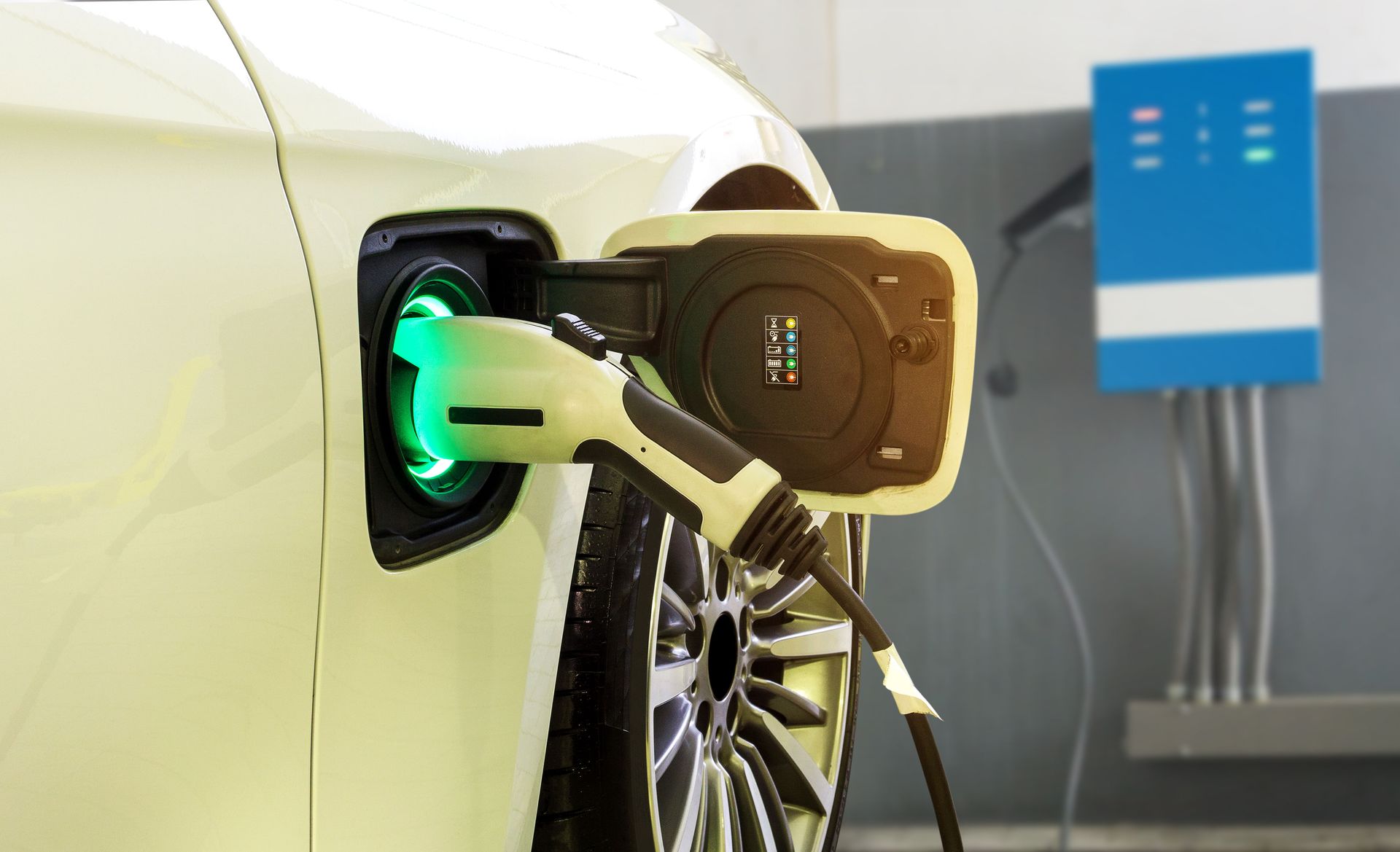
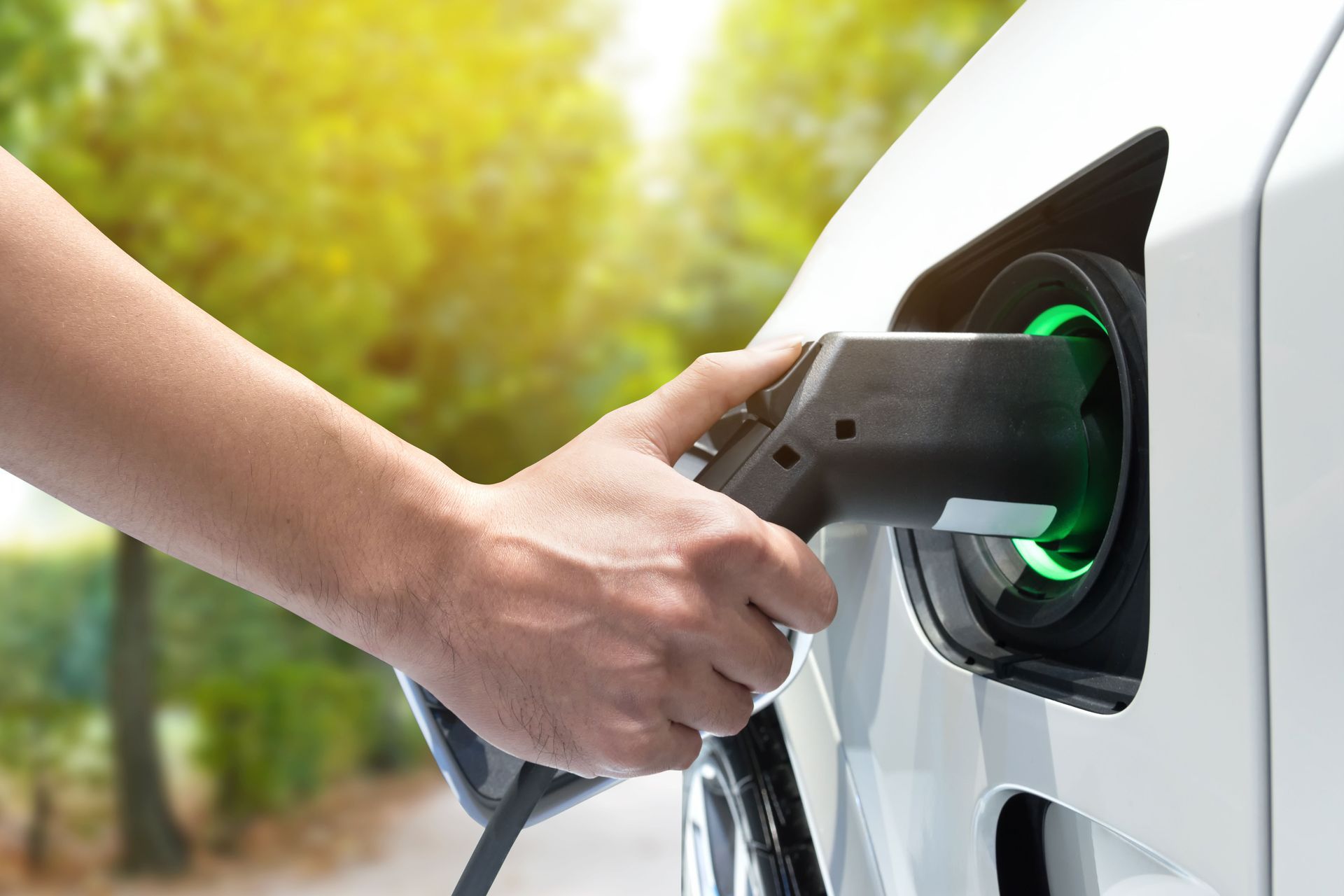
Electric vehicles are becoming a practical choice for more households every year, and with that shift comes the need for reliable charging at home. While public charging stations can be helpful, they are not always convenient or predictable, especially for daily use. A dedicated home charging setup allows EV owners to start each day with a full battery and greater confidence in their vehicle’s reliability, which is why home EV charger installation services are becoming a priority for many homeowners.
Preparing your home properly before installation is about more than convenience. Electrical systems must be able to handle increased demand safely, locations need to be planned thoughtfully, and equipment choices should align with both current and future needs. When these steps are handled carefully, homeowners can avoid unexpected expenses, reduce safety risks, and ensure their EV charging setup works efficiently for years to come.
1. Assess Your Home's Electrical Capacity
Before any EV charger is installed, the first step is understanding whether your home’s electrical system can support the added demand. In our experience, we have found that most homes operate on service panels ranging from 100 to 400 amps, and the capacity of that panel determines how much additional load your system can safely handle. An EV charger adds a continuous electrical draw, which makes it essential to evaluate existing usage alongside the charger's requirements when planning home EV charger installation services.
A full assessment includes reviewing current appliances, lighting loads, and specialty wiring. Homes with older panels or limited capacity may require service upgrades to prevent overloads or frequent breaker trips. This step protects not only the charger but also the rest of the home’s electrical infrastructure. Safety is a major factor in this evaluation. According to Electrical Safety Foundation International, home electrical fires account for $1.3 billion in property damage. Ensuring your electrical capacity is sufficient before adding new equipment helps reduce fire risks and prevents your EV charger from becoming an unintended hazard rather than a helpful upgrade.
2. Review Your Service Panel and Breaker Configuration
Your service panel is the control center for your home’s electrical system, and its condition plays a critical role in EV charger readiness. Identifying the panel’s location and understanding how circuits are distributed helps determine where a charger can be added without disrupting existing systems. Many panels are located in garages, basements, or utility rooms, which can simplify planning when chargers are installed nearby.
Breaker configuration matters just as much as panel size. EV chargers often require dedicated circuits. If your panel lacks available breaker space or uses outdated components, upgrades may be necessary before home EV charger installation services can move forward safely. While this can add to upfront costs, it prevents ongoing issues such as nuisance tripping or uneven power distribution.
3. Choose the Right EV Charger Type
Selecting the right charger is a key decision that affects daily convenience, charging speed, and installation complexity. We have found that Level 1 chargers use standard 120-volt outlets and offer slower charging speeds, making them best suited for drivers with shorter commutes or the ability to charge overnight. These chargers are often less expensive upfront but may not meet the needs of households with higher daily mileage.
Also, we have seen that Level 2 chargers operate on 240-volt circuits and provide significantly faster charging times. While they require professional installation, they offer greater flexibility and efficiency for most EV owners. Choosing the appropriate charger ensures that home EV charger installation services align with your driving habits rather than creating frustration through slow or inconsistent charging. Beyond charging speed, many modern chargers include smart features such as Wi-Fi connectivity, scheduled charging, and energy usage tracking. These features allow homeowners to manage power consumption more effectively and can help reduce electricity costs by charging during off-peak hours.
4. Plan the Installation Location Carefully
Where the EV charger is installed can significantly impact cost, usability, and performance. Locations closer to the main electrical panel typically require less wiring and labor, which can help control installation expenses. Shorter cable runs also reduce energy loss and simplify troubleshooting if issues arise later.
Ease of access is equally important. Chargers should be positioned so vehicles can connect without awkward parking maneuvers or stretched cables. Garages are often ideal, but outdoor installations can work well when properly planned and weather-protected. Choosing a functional location ensures home EV charger installation services enhance daily routines rather than complicating them. Weather exposure must also be considered, especially for outdoor installations. Chargers should be rated for outdoor use and protected against moisture, temperature extremes, and debris.
5. Evaluate Electrical Load and Usage Patterns
Understanding your home’s overall electrical load helps prevent performance issues once the EV charger is in use. This involves calculating how much electricity your home consumes during peak periods and determining whether additional demand from an EV charger could strain the system. Homes with multiple high-draw appliances running simultaneously may require adjustments or scheduling strategies.
Load calculations account for items such as HVAC systems, major lighting upgrades, and commercial-style equipment used in home workshops or garages. By evaluating usage patterns ahead of time, homeowners can avoid unexpected disruptions and ensure home EV charger installation services integrate smoothly with existing electrical demands. Some homeowners choose to pair EV chargers with smart load management systems that automatically adjust power distribution when demand is high.
6. Work With a Licensed Electrician
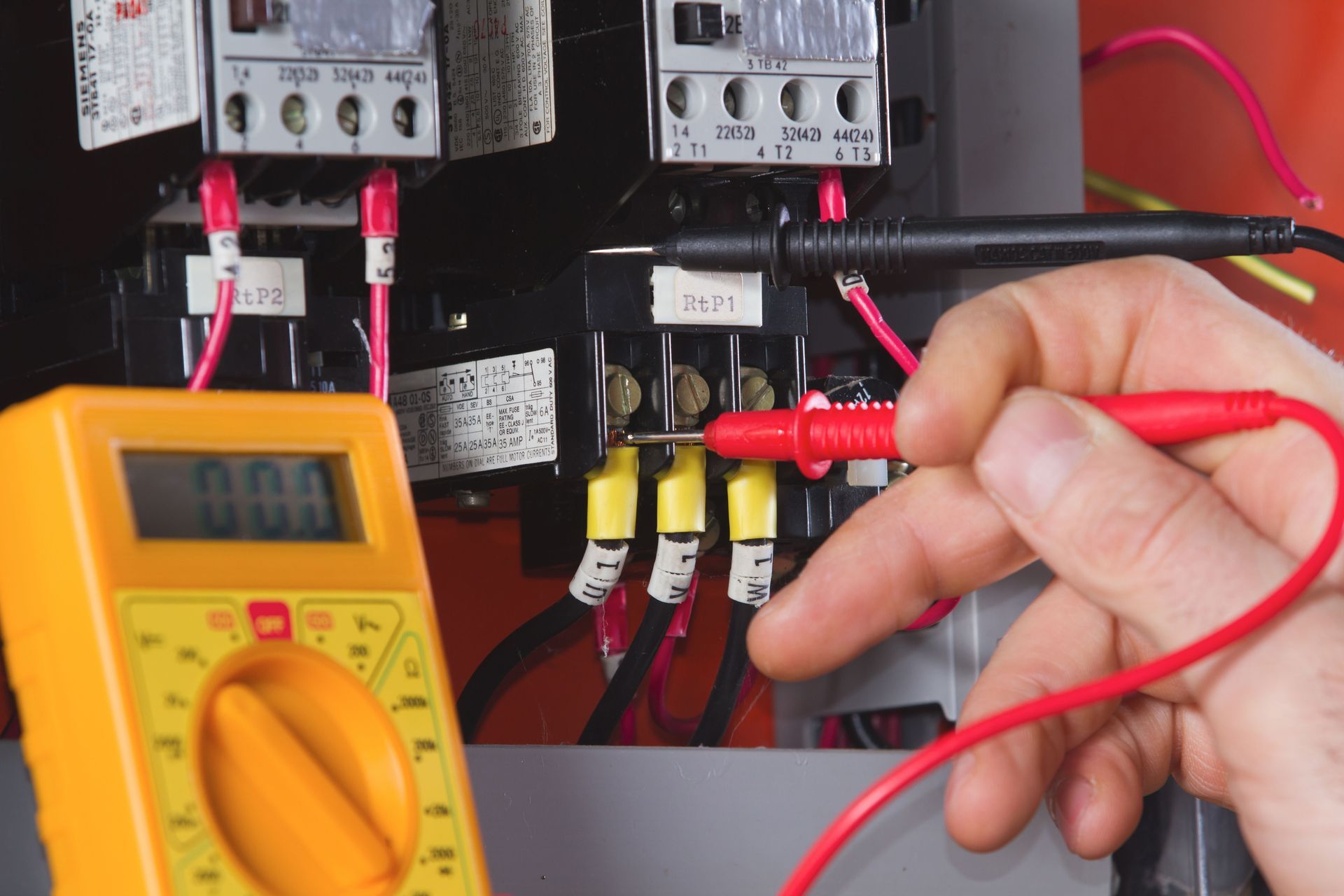
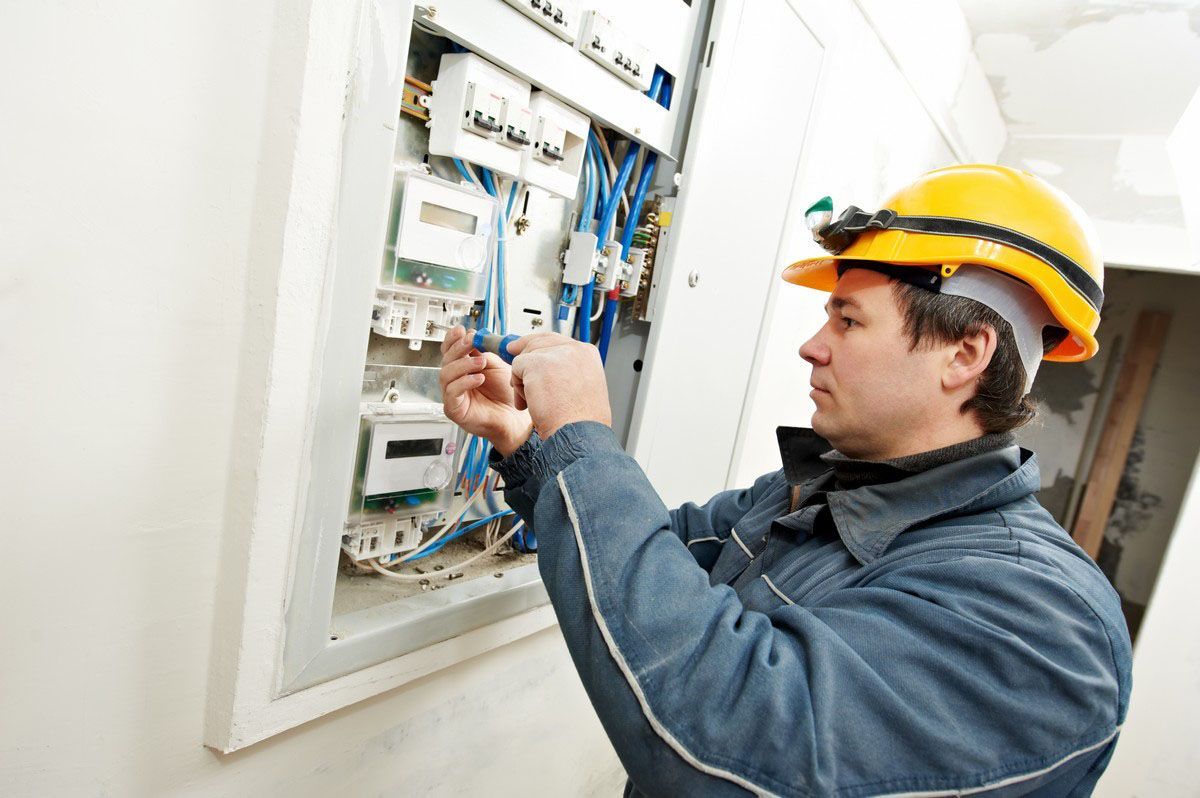
EV charger installation is not a DIY project, and working with a licensed electrician is essential for safety and compliance. A qualified professional can evaluate your system, recommend necessary upgrades, and ensure the installation meets local electrical codes. This expertise is especially important when dealing with complex wiring, service upgrades, or specialty systems.
Licensed electricians also bring valuable experience with broader electrical needs, including commercial electrical services, industrial electrical services, and emergency repairs. Their insight helps homeowners navigate technical details confidently while ensuring home EV charger installation services are completed correctly the first time. Beyond installation, professional electricians can advise on maintenance, future expansion, and energy efficiency improvements. Their involvement provides peace of mind that your EV charging setup will remain safe, reliable, and adaptable as your household’s needs change.
7. Prepare for Permits, Inspections, and Final Testing
Many EV charger installations require permits and inspections to ensure compliance with local regulations. While this process can feel tedious, it protects homeowners by verifying that installations meet safety standards. Skipping permits can lead to complications during home sales or insurance claims later on.
Inspections confirm that wiring, breakers, and equipment are installed correctly and functioning as intended. Once approved, final testing ensures the charger delivers consistent power without overheating or triggering system issues. Proper documentation also validates that
home EV charger installation services were completed professionally and responsibly.
Preparing your home for an EV charger is a thoughtful process that balances safety, efficiency, and long-term value. From evaluating electrical capacity to selecting equipment and planning placement, each step plays a role in creating a reliable charging solution. When done correctly, these preparations reduce risks, control costs, and enhance everyday convenience for EV owners.
For homeowners in Coon Rapids, MN and surrounding areas, Dependable Electric offers professional home EV charger installation services backed by free quotes and emergency service availability. Whether your project involves service upgrades, lighting improvements, or specialized wiring needs, their team delivers dependable solutions designed for modern electrical demands. Contact Dependable Electric today to schedule your consultation and take the next confident step toward reliable at-home EV charging.
Share On: